- Every effective technique works through one mechanism: a longer exhale than inhale.
- Extended-exhale breathing is the simplest place to start.
- Coherent breathing lowers your baseline over weeks, not minutes.
- The physiological sigh is the fastest tool for a sudden spike.
The most effective breathing techniques for anxiety and stress relief share one mechanism: a longer exhale than inhale, which directly stimulates the vagus nerve and shifts your body out of fight-or-flight. Specific techniques such as coherent breathing, extended-exhale breathing, the physiological sigh, are variations on this same underlying principle, and which one fits best depends on whether you need a fast reset or a daily baseline practice.
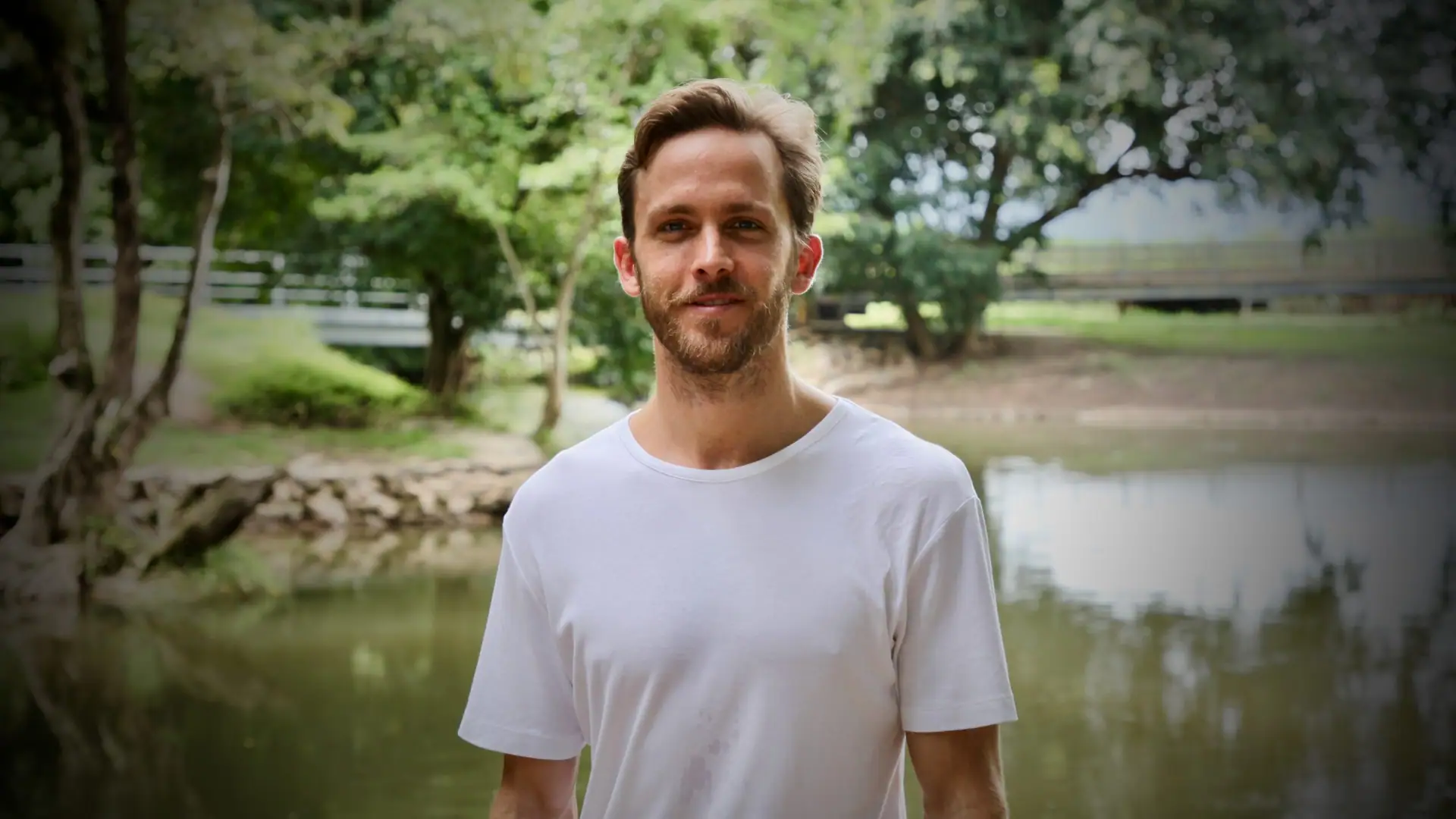
I'm Campbell Will, a physiotherapist and breathwork educator. Below is how I actually match technique to need, rather than a generic list.
Why extended exhales work for anxiety
Anxiety is, physiologically, a state of sympathetic nervous system activation. Your exhale is specifically linked to parasympathetic (calming) activity, so lengthening it beyond your natural inhale sends a direct signal to your nervous system that it's safe to stand down. This is true regardless of the specific technique you use; the exhale-to-inhale ratio is the mechanism doing the work.
The exhale-to-inhale ratio is the mechanism doing the work.
Three reliable techniques, and when to use each
Extended-exhale breathing
Fastest to learnUse this anytime, anywhere, without needing to remember a more complex pattern, a good default for everyday stress.
Inhale for a count of 4, exhale for a count of 6-8.
Coherent breathing
Best for a daily baselineBest used as a 5-10 minute daily practice to lower your overall baseline anxiety over time, rather than as an in-the-moment fix.
Slow, even breathing at around 5-6 breaths per minute, roughly a 5-5.5 count in and out, with no holds.
The physiological sigh
Best for acute spikesThis produces one of the fastest measurable shifts in physiological arousal of any technique studied, useful specifically when anxiety spikes suddenly and you need your body to calm quickly.
A double inhale through the nose, followed by one long, slow exhale through the mouth.
A common reason these don't seem to work
If you've tried breathing techniques for anxiety before and felt like they didn't do much, the most common cause is inconsistency (using a technique once during a bad moment, rather than practicing it regularly so it becomes more effective and more automatic under stress.)